
Laser Cleaning
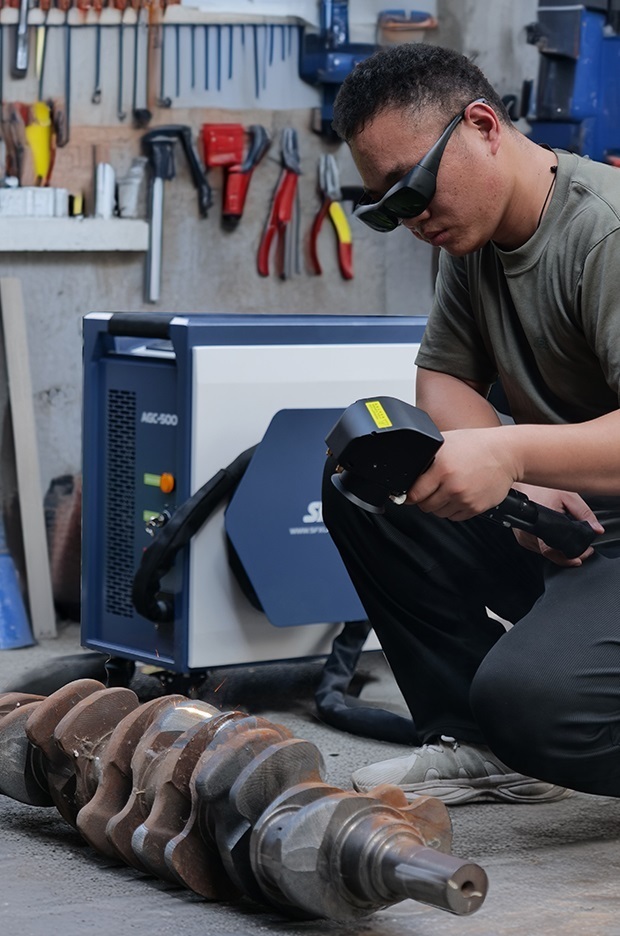
Pulse vs. Continuous Laser Cleaning: Which One Should You Choose?
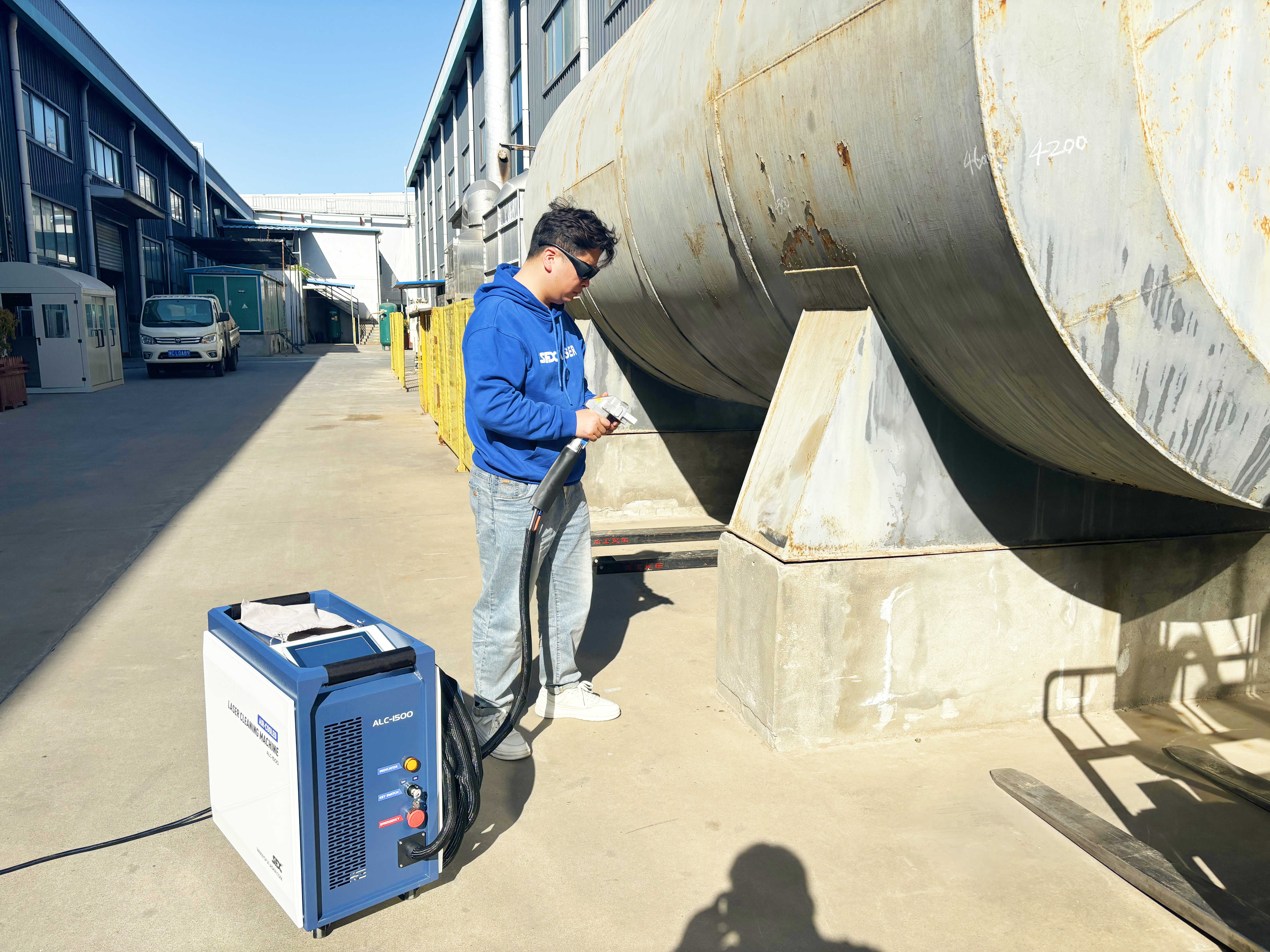
Pulse vs. Continuous Laser Cleaning: Which One Should You Choose?
Laser cleaning technology has transformed the way industries remove rust, paint, oil, and contaminants from surfaces. Instead of relying on chemicals, abrasives, or manual scrubbing, laser cleaning uses highly concentrated laser beams to vaporize unwanted layers — safely and efficiently.
But not all laser cleaners are the same. The two main types are pulsed laser cleaning machines and continuous-wave (CW) laser cleaning machines. Understanding their differences will help you choose the right solution for your application.
Let’s break down how each works — and which one is best for your needs.
1. The Basics: How Laser Cleaning Works
Laser cleaning works through a process called laser ablation. When a high-energy laser beam hits a contaminated surface, the contaminants absorb the energy, heat up, and evaporate or detach, leaving the base material clean and undamaged.
The performance and precision depend largely on the type of laser emission:
-
Pulsed laser: Emits short, powerful bursts of energy.
-
Continuous-wave (CW) laser: Emits a steady, uninterrupted beam.
Both achieve cleaning — but in very different ways.
2. What Is Pulsed Laser Cleaning?
A pulsed laser cleaning machine delivers laser energy in extremely short bursts — often lasting just nanoseconds or microseconds.
🔹 Key Features:
-
High peak power, short pulse duration
-
Minimal heat input — ideal for delicate materials
-
Excellent precision — removes contaminants without affecting the substrate
🔹 Best For:
-
Fine cleaning of sensitive surfaces such as aluminum, copper, mold steel, or painted parts
-
Precision industries: electronics, aerospace, molds, art restoration
-
Removing thin contaminants like oxides, oil, coatings, and surface films
🔹 Typical Models:
-
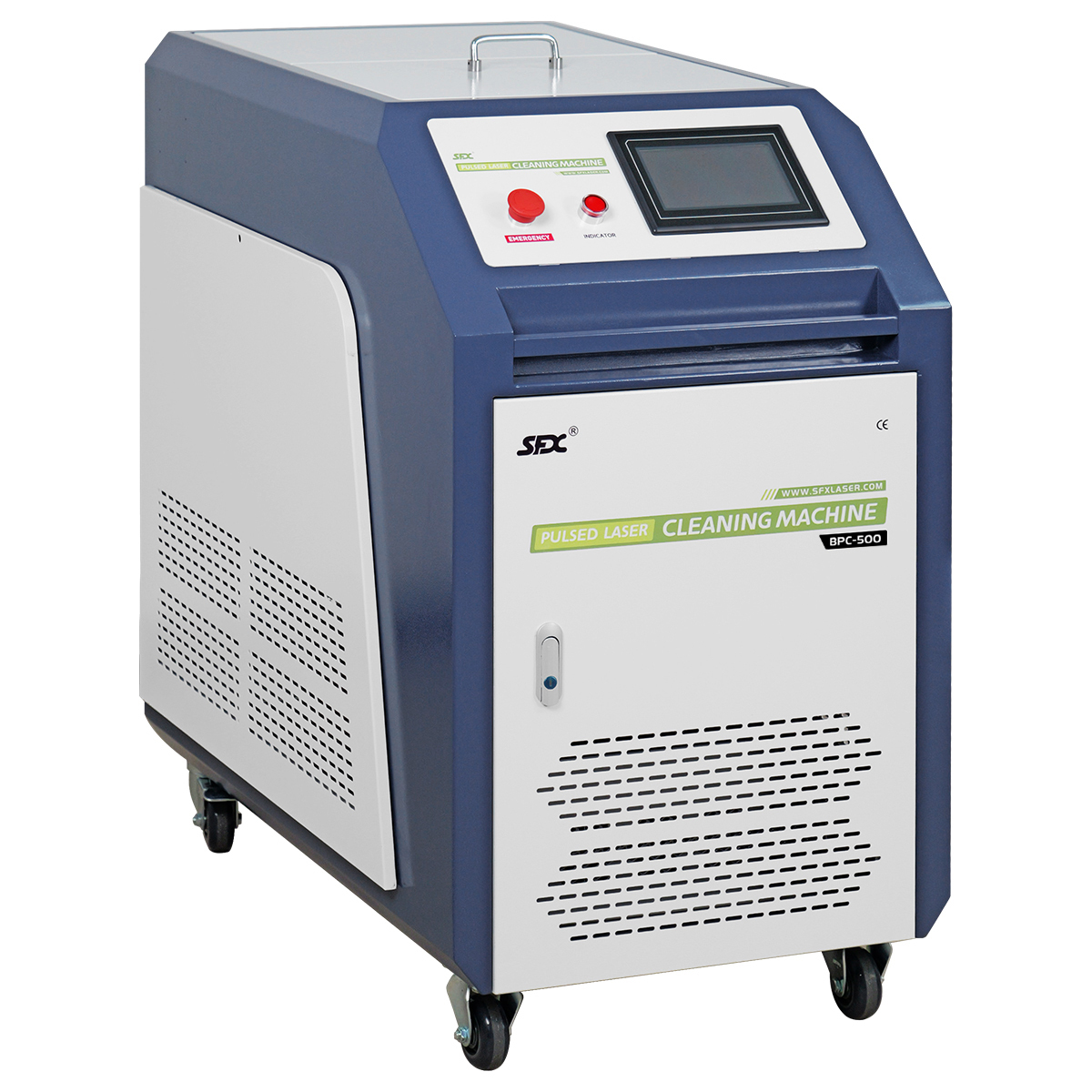
SFX Pulse Laser Cleaning Machine (200 W – 500 W):
https://www.sfxlyxc.com/Pulse-Laser-Cleaning-Machine-c190905
-
Compact, air-cooled design with ultra-fine cleaning control
🔹 Pros:
-
No damage to substrate
-
High cleaning precision
-
Low thermal impact
-
Ideal for reflective or high-value surfaces
🔹 Cons:
-
Lower cleaning speed for heavy rust or thick paint
-
Higher cost per watt than CW systems
3. What Is Continuous-Wave (CW) Laser Cleaning?
A continuous-wave laser cleaning machine emits a steady laser beam instead of pulses. The energy delivery is continuous, making it ideal for removing thicker, tougher contaminants over large areas.
🔹 Key Features:
-
High average power, constant energy output
-
Higher cleaning efficiency for heavy rust and thick coatings
-
Slightly more thermal effect on the substrate
🔹 Best For:
-
Industrial-grade cleaning — large metal parts, ship hulls, heavy machinery, automotive frames
-
Thick rust, oxide, paint, or scale removal
-
Applications where speed > precision
🔹 Typical Models:
-
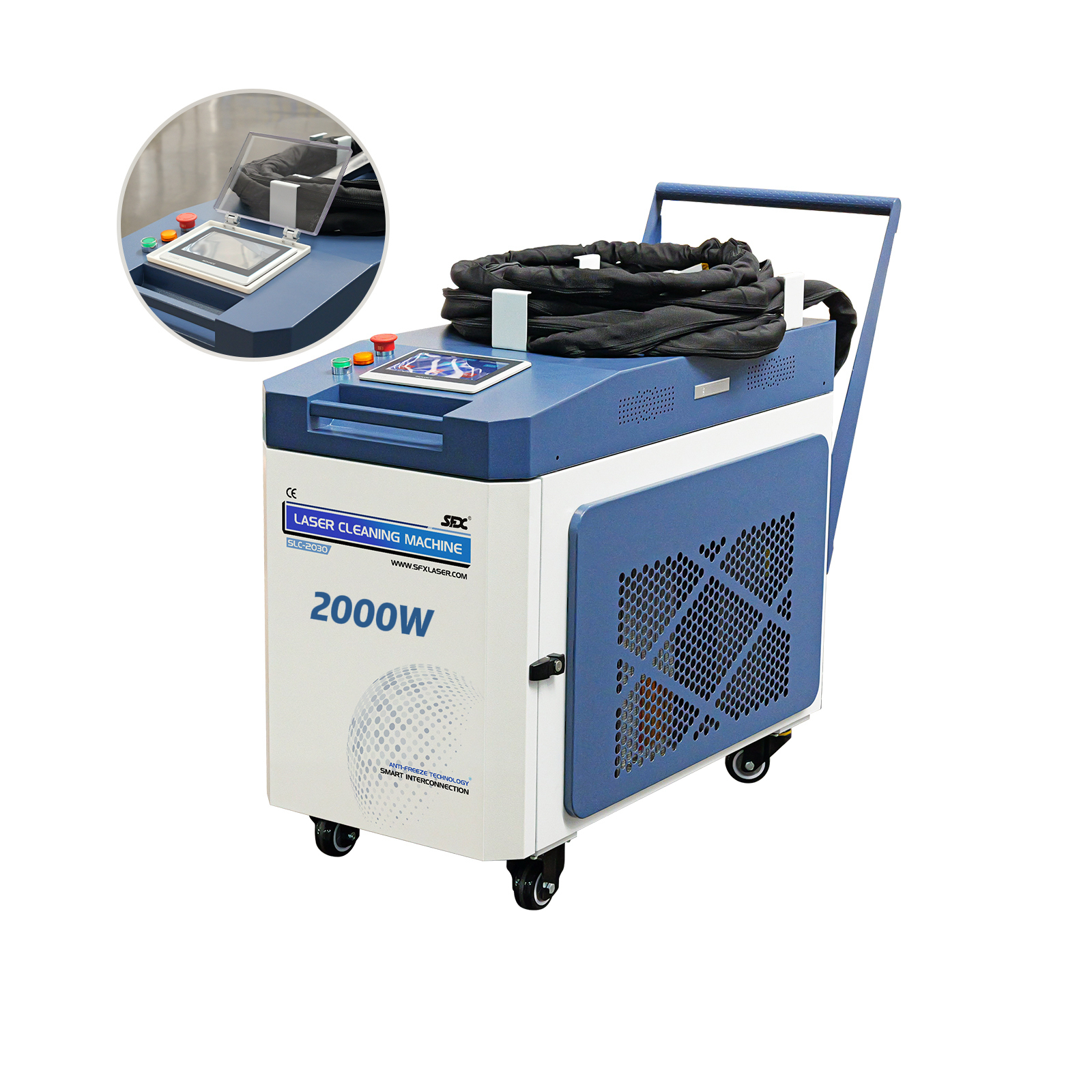
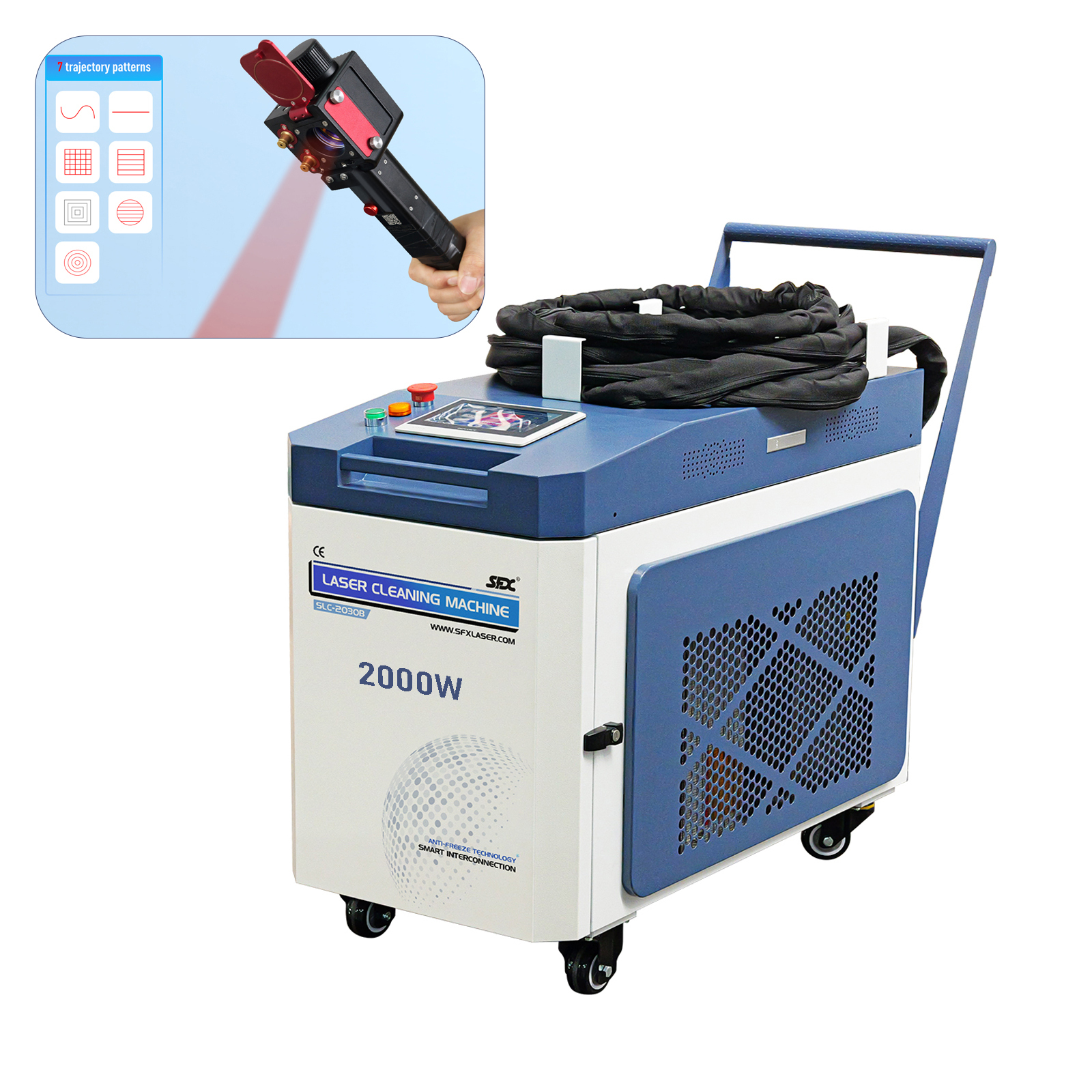
SFX 2000W / 3000W CW Laser Cleaning Machine
https://www.sfxlyxc.com/Continuous-Laser-Cleaning-Machine-c190903
-
Water-cooled systems for stable, continuous operation
🔹 Pros:
-
Faster cleaning for large areas
-
More cost-effective for high-power needs
-
Easy to operate, robust, and durable
🔹 Cons:
-
More heat input (risk of discoloration on thin metals)
-
Less precise for micro-level cleaning
4. Side-by-Side Comparison
| Feature | Pulsed Laser Cleaning | Continuous (CW) Laser Cleaning |
|---|---|---|
| Energy Delivery | Short bursts (pulses) | Constant beam |
| Heat Impact | Very low | Moderate |
| Precision | High | Medium |
| Cleaning Speed | Moderate | Fast |
| Best For | Thin coatings, precision parts | Heavy rust, thick paint |
| Material Sensitivity | Safe for delicate materials | Best for robust metals |
| Typical Power Range | 100 W – 500 W | 1000 W – 3000 W |
| Cost | Higher per watt | More affordable per watt |
5. How to Choose the Right Type
When selecting between pulsed and CW laser cleaning, consider:
✅ Material type:
-
Thin, soft, or delicate materials → Pulsed Laser
-
Thick, strong, or large metal structures → Continuous Laser
✅ Contamination type:
-
Light rust, oil, coatings → Pulsed Laser
-
Heavy rust, paint, or scale → Continuous Laser
✅ Precision requirements:
-
High precision (no discoloration or surface change) → Pulsed
-
High efficiency and productivity → Continuous
✅ Budget & frequency:
-
Occasional cleaning, high-value parts → Pulsed
-
Regular industrial cleaning, large surfaces → Continuous
6. Why Choose SFX Laser Cleaning Machines
SFX Laser offers both pulsed and continuous-wave laser cleaning systems, giving you the flexibility to choose what suits your production needs best.
SFX Pulsed Laser Cleaners
https://www.sfxlyxc.com/SFX-Laser-Air-cooled-Pulse-Laser-Cleaning-Machine-300W
-
Ultra-precise and compact
-
Air-cooled for easy setup
-
Ideal for fine rust, oxide, or oil removal
SFX CW Laser Cleaners (1500W / 2000W / 3000W)
https://www.sfxlyxc.com/SFX-2000W-Laser-Cleaning-Machine-with-Anti-Freeze-Technology
-
High cleaning efficiency
-
Suitable for large-scale industrial applications
-
Durable, stable, and designed for long-term use
Both are backed by SFX Laser USA’s after-sales service, local parts support, and technical guidance.
7. Conclusion
Both pulsed and continuous laser cleaning machines have their strengths.
If your priority is precision and minimal heat, choose pulsed.
If you need speed and power for heavy-duty cleaning, go with continuous-wave.
Whatever your cleaning challenge, SFX Laser has a solution to help you work faster, cleaner, and safer.
0users like this.
Hot sale




Copyright © SFX Laser. All Rights Reserved.

Your cart is currently empty.