
Laser Cleaning
What Can a Laser Cleaning Machine Remove? Rust, Paint, Oxide, Oil and More
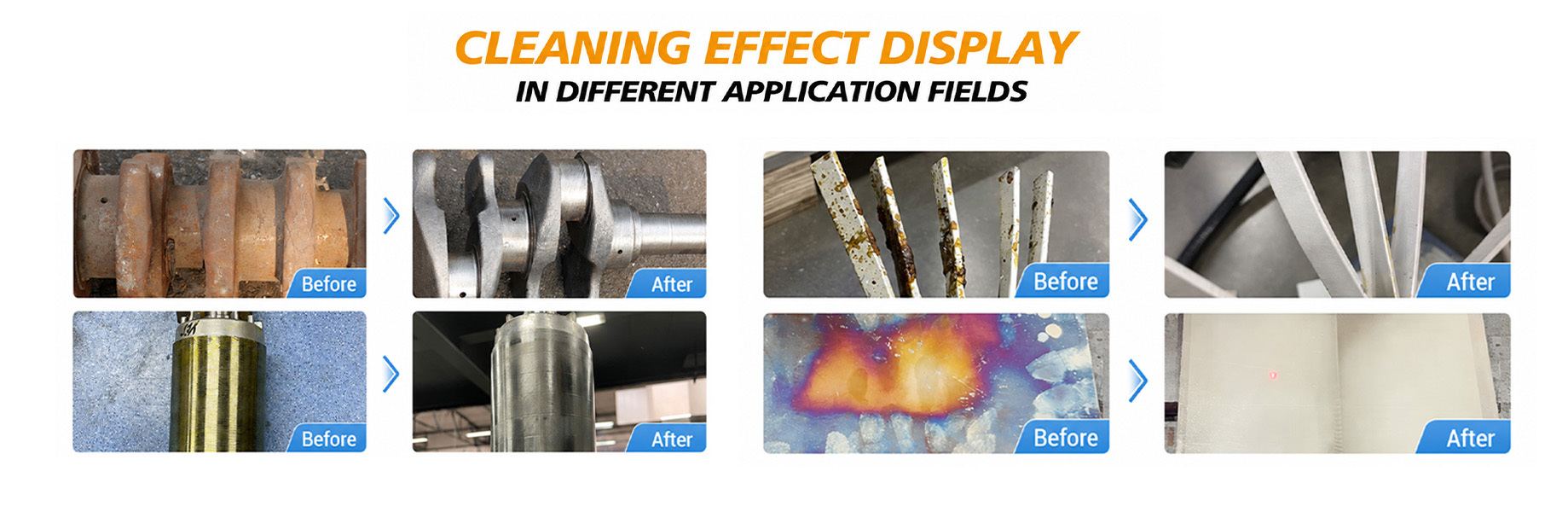
Laser cleaning has become an increasingly popular alternative to traditional surface cleaning methods. Unlike abrasive blasting, chemical cleaning, or mechanical grinding, laser cleaning uses a focused laser beam to remove unwanted contaminants from a surface with minimal physical contact.
But what exactly can a laser cleaning machine remove?
From rust and paint to oxide layers, oil, grease, carbon deposits, and residues, laser cleaning can handle a wide range of surface contaminants. The key is choosing the right laser type and power for the material and cleaning application.
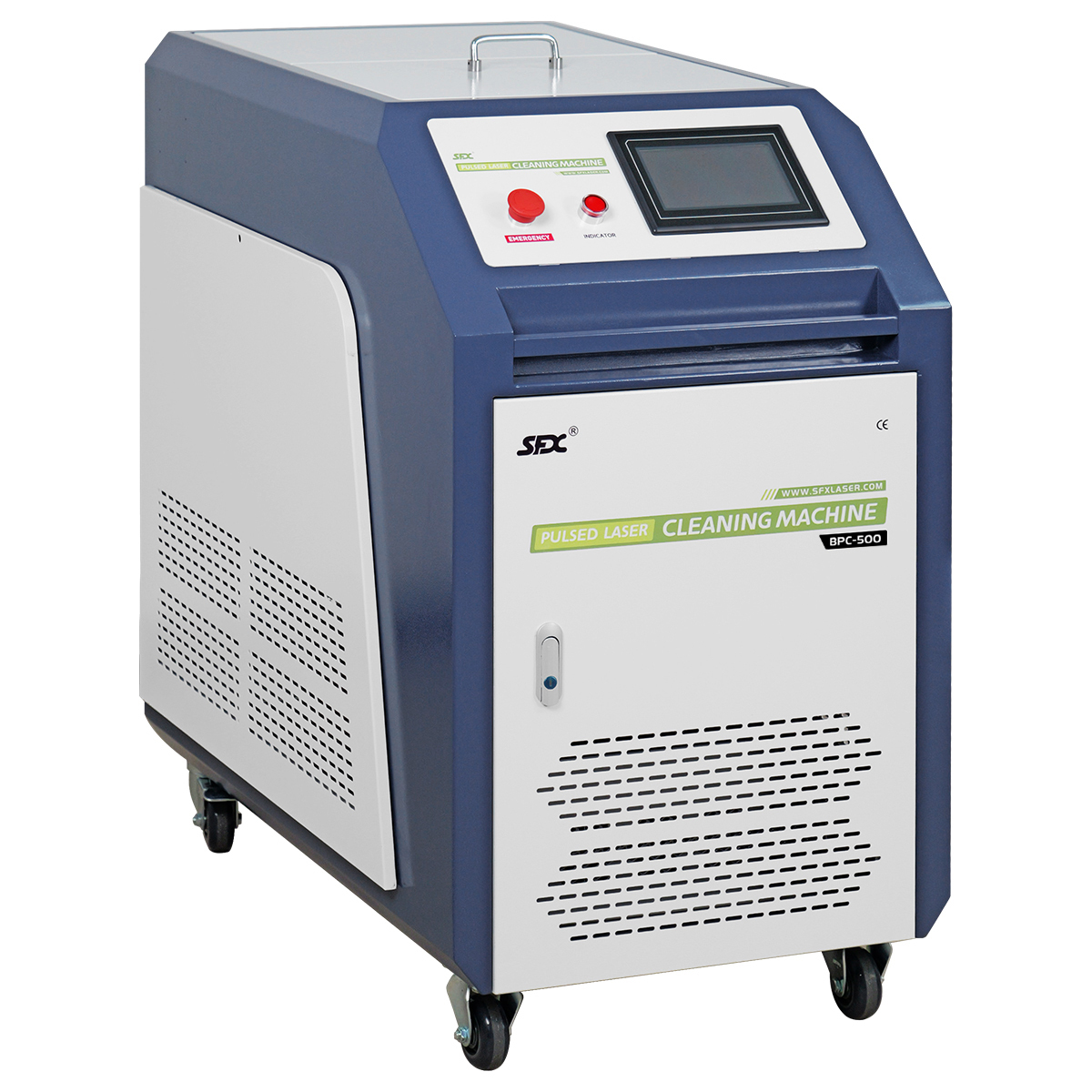
For precision cleaning applications, the SFX APC-300 300W Pulsed Laser Cleaning Machine provides a compact and versatile solution for removing contaminants while helping protect the underlying substrate.
What Can a Laser Cleaning Machine Remove?
The cleaning capability of a laser depends on factors such as laser power, pulse characteristics, scanning width, material type, and contaminant thickness. With the right configuration, laser cleaning can remove many common contaminants found in industrial and restoration applications.
1. Rust
Rust is one of the most common applications for laser cleaning.
When a metal surface develops rust, the corrosion layer absorbs laser energy differently from the underlying metal. The laser can rapidly remove the rust layer while leaving the base material largely unaffected when the correct parameters are selected.
Laser rust removal is commonly used for:
Metal components
Automotive parts
Machinery
Tools and equipment
Mold components
Industrial structures
For precision rust removal, a pulsed laser cleaning machine such as the SFX APC-300 can provide controlled cleaning with a relatively small heat-affected area.
2. Paint and Coatings
Laser cleaning can also remove paint and other surface coatings from metal components.
Traditional paint removal methods often involve chemical strippers, abrasive blasting, or manual grinding. These processes can create dust, chemical waste, or unwanted surface wear.
A laser cleaning system can selectively remove coatings from targeted areas without direct mechanical contact.
This makes laser cleaning useful for:
Paint stripping
Coating removal
Surface preparation
Restoration work
Rework and repair
Industrial maintenance
For thin or localized coatings where precision matters, pulsed laser cleaning can be especially useful.
3. Oxide Layers
Oxidation can occur on metal surfaces during manufacturing, welding, heating, or long-term exposure to the environment.
Laser cleaning can remove unwanted oxide layers from the surface without requiring abrasive contact.
This is particularly useful before:
Welding
Coating
Painting
Bonding
Inspection
Surface finishing
The SFX APC-300 is designed for controlled pulsed laser cleaning, making it suitable for applications where operators need to clean specific areas rather than aggressively remove large amounts of material.
4. Oil and Grease
Oil, grease, and other organic residues are frequently found on industrial components.
Laser cleaning can remove surface contaminants by using laser energy to rapidly heat and vaporize or eject the contamination from the substrate.
It can be used for cleaning:
Machine components
Metal parts
Tools
Molds
Production equipment
Automotive components
Compared with traditional solvent-based cleaning, laser cleaning can reduce the need for chemical cleaning agents and help create a cleaner working process.
5. Carbon Deposits
Carbon deposits can build up on components exposed to high temperatures, combustion, or repeated industrial use.
Depending on the material and deposit thickness, laser cleaning can be used to remove carbonized residues from metal surfaces.
Typical applications include:
Industrial components
Engine-related parts
Welding equipment
Molds
Precision metal parts
The ability to control laser parameters makes pulsed laser systems particularly useful when the cleaning process requires greater precision.
6. Welding Residue and Surface Contamination
After welding, metal surfaces can contain oxidation, discoloration, spatter, and other residues.
Laser cleaning can prepare the surface for subsequent processing without physically grinding the material.
This can help improve the appearance and cleanliness of welded components while reducing manual finishing work.
For manufacturers that require repeatable cleaning on specific areas, a programmable pulsed laser cleaning system can provide a more controlled alternative to manual cleaning.
Why Choose a Pulsed Laser Cleaning Machine?
Not every cleaning application requires a high-power continuous laser.
For precision cleaning, a pulsed laser can be a better choice because it delivers laser energy in short pulses. This allows operators to target contaminants while helping minimize unnecessary heat transfer to the underlying material.
A pulsed laser cleaning machine can be particularly suitable for:
Precision metal cleaning
Mold cleaning
Rust removal
Oxide removal
Paint and coating removal
Surface preparation
Restoration applications
Components where substrate protection is important
This is where the SFX APC-300 becomes a practical option.
SFX APC-300: 300W Pulsed Laser Cleaning for Precision Applications
The SFX APC-300 is a 300W pulsed laser cleaning machine designed for applications that require controlled and precise surface cleaning.
Its pulsed laser technology allows operators to focus cleaning energy on contaminants while reducing unnecessary thermal impact on the substrate.
Key APC-300 Features
300W Pulsed Laser
The 300W pulsed laser provides a balance between cleaning capability and precision, making the APC-300 suitable for a wide range of industrial and detailed cleaning applications.
Adjustable Cleaning Area
The APC-300 supports a scanning width of up to 100 mm, allowing operators to adjust the cleaning area according to the application.
Non-Destructive Surface Cleaning
When properly configured for the specific material and contaminant, pulsed laser cleaning can remove unwanted surface contamination while helping preserve the underlying substrate.
Air-Cooled Design
The APC-300 uses an air-cooled system, helping keep the machine compact and practical for workshop and industrial environments without requiring a separate water-cooling system.
Wide Material Compatibility
The APC-300 can be used for cleaning suitable metal surfaces as well as selected precision applications where controlled energy delivery is required.
Easy Operation
With a dedicated control system and adjustable laser parameters, operators can select appropriate settings according to the contaminant, material, and cleaning requirements.
Where Can the SFX APC-300 Be Used?
The versatility of a 300W pulsed laser makes the APC-300 suitable for many cleaning applications.
Mold Cleaning
Molds can accumulate rust, residue, oil, and other contaminants during production. Laser cleaning provides a non-contact method for cleaning detailed mold surfaces without relying on abrasive media.
Metal Parts Cleaning
For manufacturers working with precision components, laser cleaning can remove rust, oxidation, oil, and other contaminants before further processing.
Surface Preparation Before Welding
Removing oxidation and contamination before welding can help create a cleaner surface for subsequent manufacturing processes.
Paint and Coating Removal
For selected metal surfaces, the APC-300 can be used to remove unwanted coatings from specific areas where controlled cleaning is required.
Restoration and Precision Cleaning
Because pulsed laser cleaning can be highly localized, it can be useful for restoration and other applications where excessive mechanical force could damage the surface.
Laser Cleaning vs. Traditional Cleaning Methods
Why are more manufacturers considering laser cleaning?
Traditional cleaning methods can still be effective, but each has limitations.
| Cleaning Method | Main Limitation |
|---|---|
| Manual Grinding | Can scratch or alter the surface |
| Abrasive Blasting | Produces abrasive waste and dust |
| Chemical Cleaning | Requires chemicals and produces chemical waste |
| Dry Ice Cleaning | Requires continuous dry ice supply |
| Laser Cleaning | Higher initial equipment cost but offers precise, non-contact cleaning |
Laser cleaning does not necessarily replace every traditional cleaning process. Instead, it provides another option when precision, repeatability, reduced consumables, and controlled surface treatment are important.
How to Choose the Right Laser Cleaning Machine
The most important factor is not simply choosing the highest laser power.
Before purchasing a laser cleaning machine, consider:
1. What contaminant are you removing?
Rust, paint, oil, oxide, carbon, and other contaminants may require different laser parameters.
2. What material are you cleaning?
Steel, stainless steel, aluminum, molds, and other substrates respond differently to laser energy.
3. How thick is the contamination?
Light surface contamination may require significantly less energy than thick rust or heavy coatings.
4. How large is the cleaning area?
Large industrial surfaces may benefit from higher-power continuous laser systems, while smaller or precision applications may be better suited to pulsed laser systems.
5. How important is precision?
If the application involves detailed components, molds, edges, or localized cleaning, a pulsed laser cleaning machine may be a better choice.
Why the SFX APC-300?
If your application requires precision rather than simply maximum cleaning power, the SFX APC-300 is worth considering.
Its 300W pulsed laser, adjustable scanning area, air-cooled design, and controlled cleaning characteristics make it suitable for applications involving rust, oxide, paint, oil, grease, carbon deposits, and other surface contaminants.
Instead of using abrasive tools or chemical cleaners, operators can direct the laser onto the contaminated area and adjust the cleaning parameters according to the material and application.
For workshops, manufacturers, maintenance teams, and precision cleaning applications, the APC-300 provides a practical way to introduce laser cleaning technology without moving directly to a large industrial laser cleaning system.
0users like this.
Hot sale




Copyright © SFX Laser. All Rights Reserved.

Your cart is currently empty.